
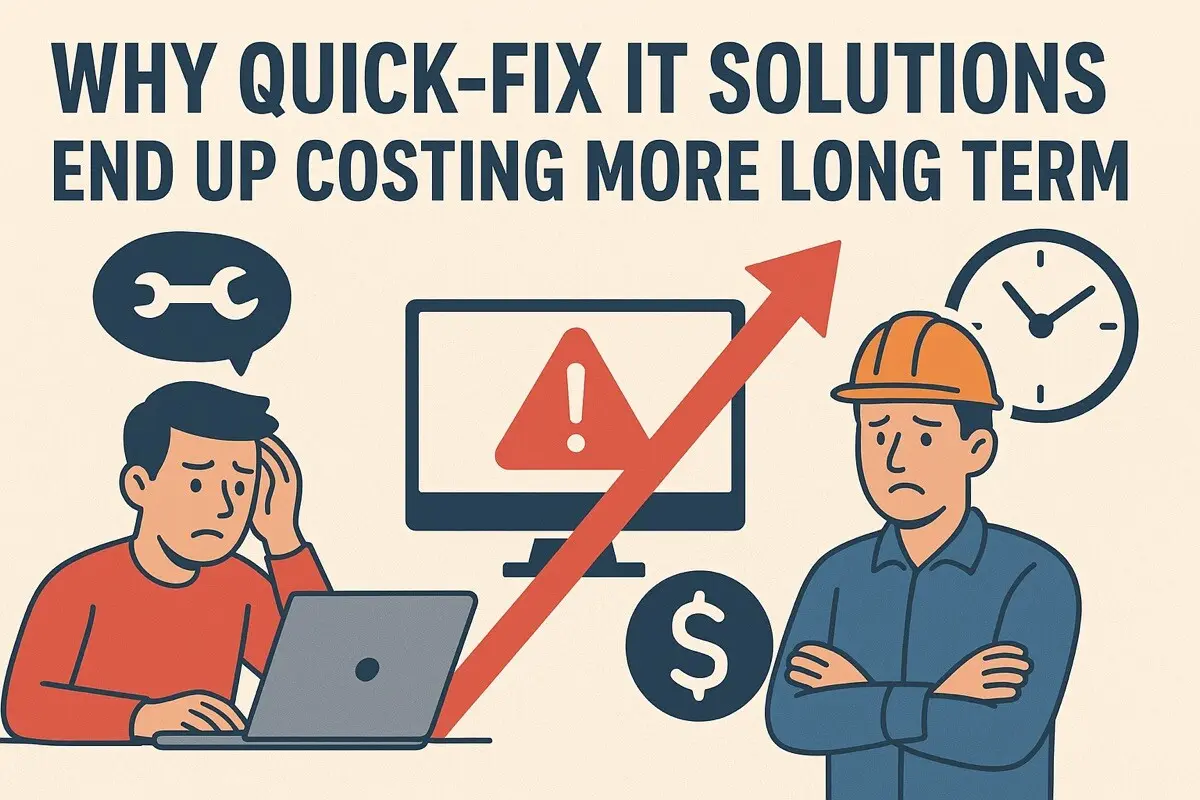
Your customers want repairs done yesterday, right? And they’d prefer it if it came with a small price tag. For you, quick work on small jobs means more tickets every day. Sure, it also means putting Band-Aids on what might become larger issues, but your team is cooking and your schedule is full.
But those quick-fix jobs might be undermining your growth, your reputation, and your bottom line.
Repeat service calls
Everyone wants repeat business, but not like this. Temporary fixes are just that, temporary. They can fail quickly, resulting in a repeat visit. And most shops can’t and won’t charge for fixing what went wrong with their initial fix, so your profitability — and your reputation with the customer — suffers.
Negative reviews
About that reputation. Many quick fixes cause long term headaches, and customers are not shy about sharing their frustrations online. Even one repeat visit after your “fix” failed can result in a negative rant online. And that’s something you don’t need.
Lower ticket size + more drive time
If your techs are in the field doing many small jobs, it means they are driving more miles every day. That’s a lot of windshield time. Yes, they’re busy going from job to job, but the math doesn’t add up to profit.
Missed opportunities
Customers may love quick, inexpensive solutions to problems, but for you, it means a missed opportunity for a larger upgrade. If your techs are doing quick fixes, they’re not addressing the bigger issue.
Too-full schedule
This can be a blessing and a curse for small to mid-sized shops. If your schedule is packed, you won’t have time for larger jobs.
What to do about it
Rebalance your workload
If your schedule is filled with small jobs, it doesn’t mean you need to cut those out of your business model. Instead, start leaving time for larger jobs each week, either in your full schedule or in one tech’s schedule.
Train your people in upselling
An aging system? Obvious signs of failure? Your techs are experienced pros — they know how to spot the bigger problem behind a quick fix. Give them the training and materials they need to talk with your customers about larger issues. Yes, they can put a Band-Aid on the problem now, but without addressing the underlying problem, it may become a bigger headache down the line. In the long run, getting at the root of the problem will be better for your customer, and for you.
Track your profitability
A busy schedule with all hands-on deck may look like success, but at the end of the day, profitability is what matters. Many small jobs might not be as profitable for you as fewer large jobs.
In the end, striking a balance between smaller jobs and bigger upgrades will lead to more satisfaction for your customer and more growth for you. A win-win!