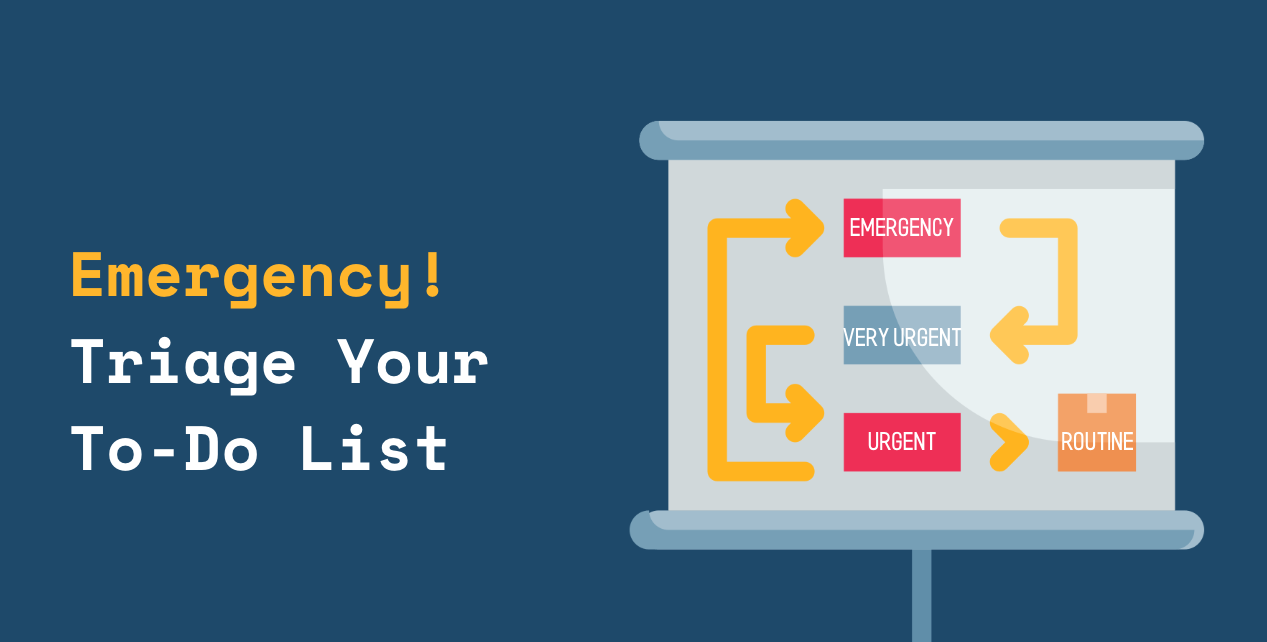
When the temperatures drop, HVAC and plumbing shops shift into high gear. It’s emergency call season. In addition to making sure your team, inventory, and equipment are ready for the season, smart business owners create a tactical plan to handle all of the emergency calls that come in during this time. A triage system, if you will.
In this blog, we’ll provide an Emergency Call Triage Checklist that you can give to your dispatchers, office managers, and techs in the field to help them handle the deluge.
Emergency Service Call Strategy
Handling a flood of emergency calls is stressful for any small to mid-sized business. Do you have a tactical plan in place for all of the emergency calls that will come in during this time? They key is triage — sorting out calls in order of severity, much like they do in a hospital ER.
Define emergency priorities. What constitutes a code red that needs to be dealt with immediately, and what types of calls can wait a day or two? Don’t leave it up to the dispatcher to decide. Create some consistent guidelines for evaluating calls much like busy ERs do when they’re inundated with patients. Triage your calls on the basis of severity and safety.
Does the customer have a suspected carbon monoxide leak, a gas leak, or a burst pipe flooding a home? That’s a code red. Train dispatchers to ask the right questions (see list below), recognize warning signs, and escalate potentially dangerous situations. For suspected gas leaks or carbon monoxide exposure, instruct callers to leave the affected area and contact emergency services or the appropriate utility when necessary. Your team should know which calls demand immediate attention, which need same-day service, and which can be scheduled for a later date.
Set realistic response expectations. Customers need to know when you can get there, and when you can’t. Don't promise an arrival time you can't meet. Provide an estimated service window and update customers if conditions change. This also requires precision dispatching so your techs aren’t driving across town for the next job.
Use scheduling software, dispatch tools, or a really savvy and precise dispatcher to group calls by location, account for travel time, and adjust routes as emergencies arise. Is your schedule already packed? Give customers options.
Create an on-call rotation. Do you offer after-hours service? If so, do you offer it all the time, or just during the busy season. If it’s seasonal, get clear on who is doing what, and when. Get your staff ready for nights they’re on call, too. Print out this rotation and post it where everyone can see it and email it to your techs.
Don’t forget your non-emergency calls. You’ll need to reserve extra capacity for emergencies, yes, but customers also have regular maintenance calls and other repairs they need done during this time, too. If your pros are booked solid with emergencies, routine work can pile up. It can be a delicate balancing act. Some solutions? Have some people dedicated to emergencies while others handle routine calls. Or, make sure there’s wiggle room in people’s schedules for emergencies.
Emergency Call Triage: Questions to Ask
Start with the basics
- Name, service address, phone
- Do they own or rent the property
- Description of the problem: When did it start? Has it gotten worse? Is it constant or does it come and go?
Immediate safety issues
- Do they smell gas or suspect a gas leak?
- Do they have a carbon monoxide detector? Is the alarm sounding?
- Is anyone experiencing symptoms like dizziness, confusion, headache, or nausea?
- Is water flooding the property or coming into contact with electrical equipment?
- Is there smoke, sparks, burning smells?
If the answers to any of these questions are “yes,” follow your company’s protocol and tell callers to leave the property and call their utilities from a safe location.
Heating emergencies
- Is the HVAC out or still operating?
- What’s the current indoor temperature?
- Do you have vulnerable people in the home like infants or the elderly who could be affected by the cold?
- Any unusual noises?
- Any water leaking?
Plumbing emergencies
- Is water leaking, spraying, or flooding?
- Do you know where it’s coming from?
- Is the water supply still on?
- Is the leak near electrical equipment or outlets?
- Is there a sagging ceiling?
- Is sewage involved?
Determining the severity of the problem in that first service call will help you schedule your pros accordingly, making sure customers can get the help they need, when they need it.